Hyundai i20 : Hyundai’s i20 has long been a favorite among city drivers who crave style without skimping on substance.
With recent price cuts and value-packed updates in early 2026, it’s shaking up the premium hatchback segment once again.
Price Drop Makes It Irresistible
Back in February 2026, Hyundai Motor India slashed prices on key i20 variants, kicking off the lineup at just Rs 5.99 lakh ex-showroom for the Era trim.
This move targets budget-conscious buyers who still want premium perks like a digital cluster and solid build quality.
The Magna now starts around Rs 6.99 lakh, bundling in wireless Android Auto and a shark-fin antenna—features that used to cost extra.
Higher trims like Sportz climb to Rs 7.74 lakh, but the value jump feels worth every penny, especially with sales rebounding to over 5,600 units in January 2026.
I remember test-driving an older i20; the ride was peppy through Mumbai traffic. Now, with these tweaks, more folks can hop in without breaking the bank. It’s Hyundai’s smart play against rising competition.
Design That Turns Heads
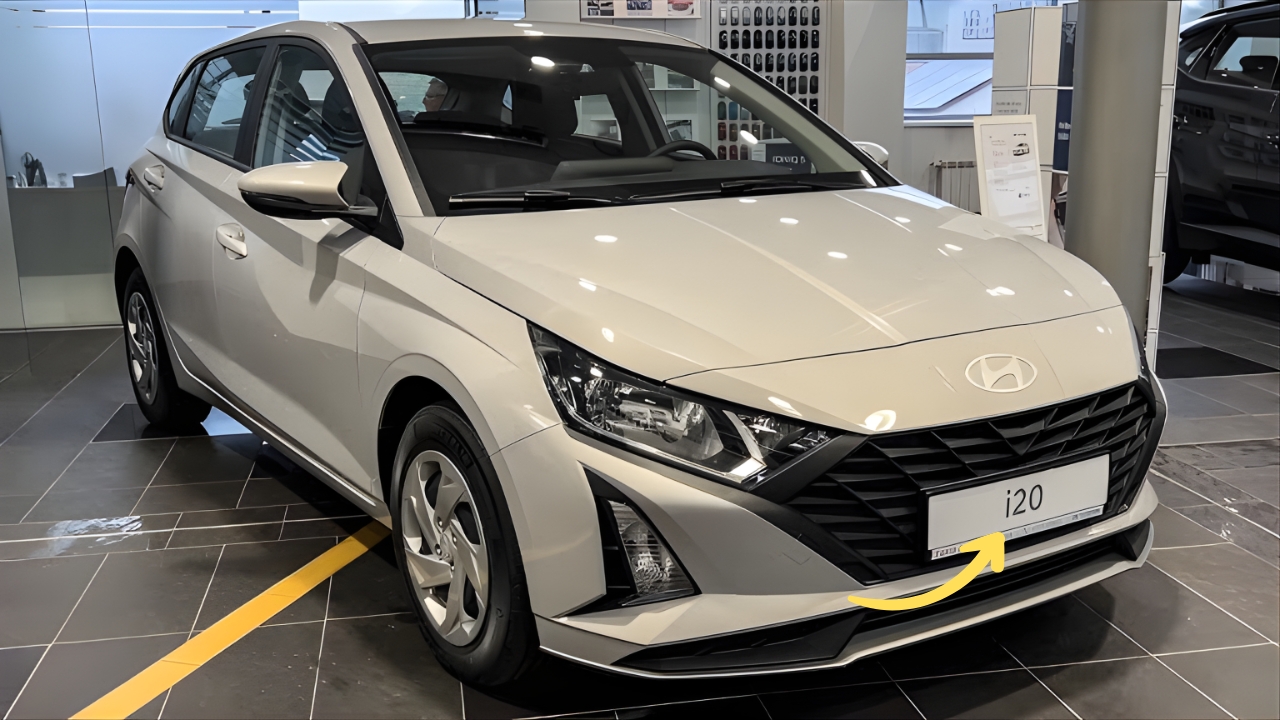
The i20’s cascading grille and parametric jewel LEDs upfront scream modern Hyundai DNA, giving it a bolder stance than your average hatch. Parametric connected taillights wrap around the rear, adding that sporty flair without overdoing it.
Dual-tone options on Sportz and Asta trims pop in colors like Starry Blue, making it stand out in parking lots.
Inside, the cabin feels upscale with a 10.25-inch touchscreen on top variants, flanked by ventilated seats and a Bose sound system that thumps just right.
Soft-touch materials and ambient lighting elevate daily commutes—far from the plasticky feel of rivals.
Spy shots hint at a 2026 full facelift with sharper lines and maybe a panoramic sunroof, keeping the i20 fresh ahead of schedule.
Engines Punch Above Their Weight
Power comes from a reliable 1.2-litre naturally aspirated petrol making 83 PS, paired with a slick 5-speed manual or IVT auto for smooth city sprints—expect 20 kmpl on highways.
The star is the 1.0-litre turbo in N Line guises, pumping 120 PS and 172 Nm, now with a proper 6-speed manual instead of iMT for sharper shifts.
N Line variants, starting at Rs 9.99 lakh, get sportier suspension and larger brakes, turning twisty ghat roads into fun zones.
Fuel efficiency hovers around 20 kmpl, and with no CNG yet (though Hyundai eyes it by 2030), it’s petrol-focused for now. Real-world tests show the turbo holds its own against SUVs in overtakes.
Safety First, Without Compromising Fun
Six airbags are standard across the board, a segment benchmark, backed by ESC, VSM, and hill-hold assist for confident control in rain-slicked streets.
TPMS, rear camera with guidelines, and emergency stop signals add layers—Hyundai claims top crash scores, though official NCAP awaits.
Higher Astas toss in auto headlamps and puddle lamps, making night drives less stressful. It’s not just tick-box safety; the i20 feels planted at triple-digit speeds, thanks to disc brakes all around on select trims.
Standing Tall Against Rivals
In a crowded field, the i20 edges out Maruti’s Baleno with superior tech and drive dynamics, while Tata’s Altroz lags in refinement despite competitive pricing from Rs 6.3 lakh.
Toyota Glanza matches mileage but lacks the wow factor. N Line takes on hot hatches without the premium tag of a Polo GT.
Sales dipped to 3,300 units in December 2025 but surged 41% MoM by January, proving the price refresh works. At under 4 meters, it’s parking-lot friendly yet roomy for four adults.
Hyundai i20 Why the i20 Still Rules Urban Roads
This refreshed i20 blends desirability with practicality—think loaded features at entry prices and engines that thrill without guzzling fuel.
Whether you’re a first-time buyer or upgrading from a Swift, it delivers that premium buzz Hyundai promises.
Also Read This : Maruti s-presso launched with 998cc powerful engine, features is luxury
With a 2026 redesign spied, the future looks brighter. Head to a showroom; you might just drive one home today.