Tata Sierra : Tata Motors has re‑ignited an old legend with the 2025–26 Tata Sierra, a box‑shaped mid‑size SUV that slots between the Nexon/Curvv and Harrier/Safari in the brand’s lineup.
Positioned against strong rivals such as Hyundai Creta, Kia Seltos and Maruti Victus, the Sierra is being treated as a halo product for Tata’s ICE‑only SUV family, blending retro‑futuristic styling with modern tech and safety.
Why the Sierra Name Still Matters
The Sierra badge traces its roots back to the rugged 1990s 4×4, a vehicle that symbolised adventure and off‑road capability for an entire generation.
By reviving the name on the new compact SUV, Tata is not just leveraging nostalgia but also signalling that this machine is meant to feel special, even within a crowded segment.
Early response has backed that idea: the company has recorded over 70,000 bookings even before widespread deliveries really kicked in, suggesting strong interest from both urban and semi‑rural buyers.
Design That Stands Out in Traffic
Externally, the Tata Sierra leans into a squared‑off, muscle‑like silhouette that feels more purposeful than the typical curvy SUVs on Indian roads.
Full‑LED lighting, including a full‑width LED light bar at the front and a matching light blade at the rear, gives it a distinctive daytime and night‑time signature that many buyers are using to justify the premium look.
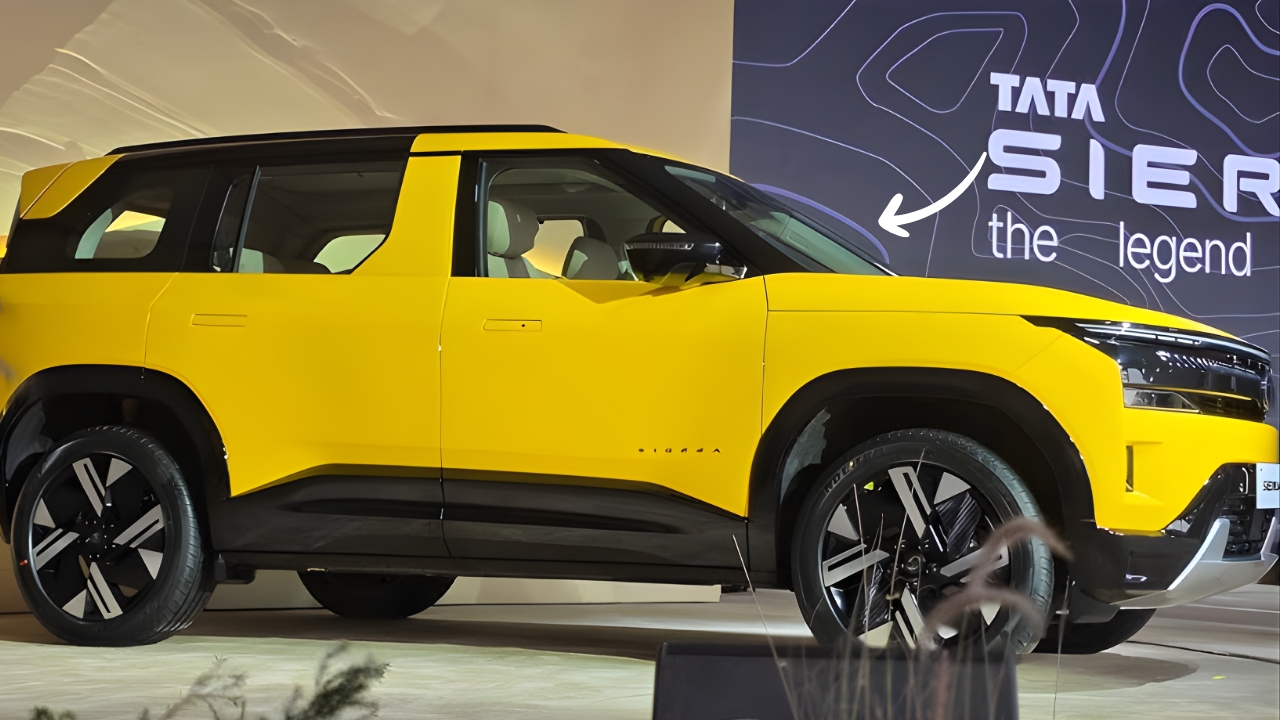
Flush‑type door handles, gloss‑black cladding on the wheel arches and up to 19‑inch alloy wheels push the design further into a premium compact‑SUV space, even though it sits below the Harrier in the hierarchy.
A Tech‑Heavy Interior Experience
Inside, the Sierra is built around a triple‑screen layout that has become something of a talking point among enthusiasts.
A 10.25‑inch digital instrument cluster, a 12.3‑inch central touchscreen and a 12.3‑inch passenger‑side screen turn the cabin into a very connected space, with crisp graphics and a deeply layered but intuitive interface.
The dual‑tone black‑and‑beige theme, extensive ambient lighting, and features such as a panoramic sunroof and powered tailgate make long drives feel more relaxed and the cabin look more expensive than its price positioning.
Safety and Driving Aids
Safety is one of the Sierra’s headline claims, with Tata touting a 22‑feature L2+ Advanced Driver Assistance System (ADAS) suite that covers functions like adaptive cruise control, lane‑keeping, and blind‑spot monitoring.
The package also includes Electronic Stability Program (ESP) with multiple sub‑functions, 360‑degree camera, and Electronic Brakeforce Distribution (EBD), which together make the Sierra a strong contender for buyers prioritising family‑oriented safety.
For an ICE‑only SUV in this segment, this kind of tech‑laden safety net is unusual and works well in the marketing narrative.
Powertrains and On‑Road Behaviour
Under the skin, the Tata Sierra relies on a 1.5‑litre TGDI turbo‑petrol unit and a 1.5‑litre diesel option, with power outputs tuned to suit both punchy city driving and relaxed highway cruising.
Transmission choices include manual and automatic gearboxes, along with multiple drive modes and features such as cruise control, which help keep highway journeys fatigue‑free.
Early drive reports suggest the Sierra feels planted on Indian roads, with a firm but not overly harsh ride, and the elevated ground clearance of around 205 mm adds a practical edge for broken roads and rural areas.
How It’s Performing in the Market
Even before the first full year of sales concluded, the Tata Sierra crossed 10,000 deliveries in India, a milestone that underlines how quickly it has found a foothold post‑launch.
This uptake is partly driven by aggressive pre‑booking incentives and the emotional pull of the Sierra name, but also by the fact that Tata is offering a large feature set at a competitive proposition against rivals like the Creta and Seltos.
The brand is also playing the long game by preparing a Sierra EV variant, initially expected around Q2 2026, which will slot below the Harrier EV and keep the Sierra name relevant in the fast‑growing electric SUV segment.
What Lies Ahead for Tata Sierra
Looking ahead, the main focus for Tata will be to keep the Sierra fresh in a segment that is constantly evolving with new feature sets and updated rivals.
Also Read This : 2026 Toyota Crown luxury interior with powerful features, comfortable seats
The planned electric‑SUV version, along with software‑based updates to the infotainment and ADAS systems, can help the Sierra stay relevant through the next three to four model years.
For Indian buyers wanting a modern, tech‑rich, mid‑size SUV with a dash of retro branding, the Tata Sierra already feels less like a nostalgic rebirth and more like a serious long‑term contender in Tata’s SUV lineup.