Nothing Phone 3a : Back in early 2025, Nothing shook up the smartphone world with the Phone 3a launch on March 4, promising a fresh take on mid-range devices that prioritized quirky design and solid performance over raw power.
Nearly a year later, this phone continues to draw fans for its transparent aesthetic and clean software, even as newer models like the 4a series loom on the horizon.
Launch Buzz and What Nothing Promised
The reveal event felt like a breath of fresh air in a sea of cookie-cutter phones. CEO Carl Pei teased the Phone 3a series as an evolution of the beloved Phone 2a, introducing a triple-camera setup for the first time in Nothing’s A-lineup, complete with a telephoto lens that had everyone talking.
Priced starting at around ₹24,999 in India for the 8GB RAM/128GB base model, it targeted budget-conscious buyers who craved something unique without breaking the bank.
Nothing hyped the Glyph lights staying strong, alongside Nothing OS 3.1 on Android 15, with commitments for three major OS updates and six years of security patches—pretty generous for the segment.
Early leaks nailed most specs: a 6.77-inch FHD+ AMOLED display at 120Hz, Snapdragon 7s Gen 3 chipset, and a 5000mAh battery with 50W charging.
The crowd went wild over the Essential Key, a new side button for quick AI-driven tasks, hinting at Nothing’s push into smarter features.
Design That Steals the Show
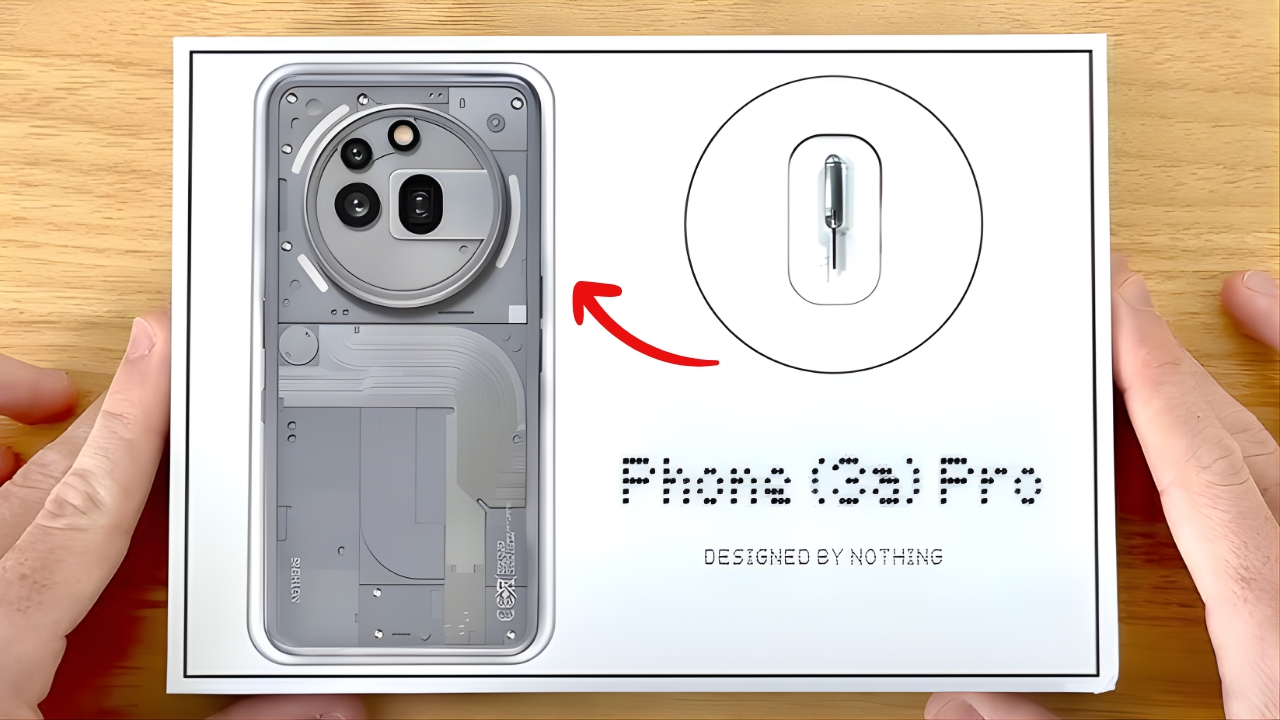
Pick up a Nothing Phone 3a, and you immediately get why it stands out. The transparent back reveals the internals in a mesmerizing way, with the Glyph LED matrix lighting up for notifications in patterns that feel almost alive—fewer zones than flagships but plenty playful.
At 163.5 x 77.5 x 8.35mm and 201g, it’s taller and chunkier than the 2a, thanks to a glass rear that adds premium heft, though the plastic frame keeps it light on cost.
IP64 rating handles splashes and dust just fine, and colors like Black, White, and Blue give options without overwhelming.
That Essential Key on the right? It’s plastic but functional, popping open an AI hub for screenshots or notes—handy for quick thinkers on the go.
Reviewers rave it’s sturdy yet grippy, though some wish for Gorilla Glass over the Panda Glass upfront to fend off scratches better.
Display and Everyday Performance
Fire up the 6.77-inch AMOLED panel, and you’re greeted by vibrant colors, deep blacks, and a smooth 120Hz refresh that makes scrolling addictive.
Peak brightness hits 3000 nits, crushing sunlight glare for outdoor Netflix binges or maps checks— a clear step up from predecessors.
HDR10+ support pops in videos, though no Netflix certification means some streaming misses out on full glory.
Under the hood, the Snapdragon 7s Gen 3 with Adreno 710 GPU handles daily multitasking like a champ—social media, browsing, light edits all fly without hiccups.
AnTuTu scores around 812k, and Geekbench hits 1170 single-core, proving it’s no slouch for moderate gaming like BGMI at 90FPS smooth.
No overheating woes even after hours, but hardcore gamers might crave more; UFS 2.2 storage keeps things snappy but not lightning-fast.
Camera Upgrades That Deliver (Mostly)
Nothing finally added a telephoto to the mix: 50MP main (Samsung GN9 with OIS), 50MP 2x tele (JN5), and 8MP ultrawide, plus 32MP front shooter.
Daylight snaps from the main sensor stun with natural colors, sharp details, and wide dynamic range—perfect for social shares or landscapes.
The telephoto shines at 2x zoom for portraits, though low-light shots demand steady hands sans full OIS, leading to occasional blur.
Ultrawide holds up in good light but softens edges, and video tops at 4K/30fps with decent stabilization. Selfies are detailed but sometimes overly warm-toned.
TrueLens Engine 3.0 AI tweaks help, but it’s no pixel-perfect pro setup—great for casuals, solid value overall.
Software Smarts and Longevity
Nothing OS 3.1 (now up to 4.0 in 2026) feels bespoke: dot-matrix icons, widget stacks, and behavioral AI that learns your habits to speed up apps and storage.
Essential Space organizes tasks intelligently, and customizations like mono themes or label-free homescreens keep it fresh.
Some recent updates slipped in bloat like lock screen peeks, but they’re easy to nix—still one of Android’s cleanest skins.
That six-year security promise means it’ll stay fresh into 2031, outlasting many rivals. Users in 2026 report no lag in daily use, smooth YouTube or Insta marathons, proving it’s built to endure.
Battery Life and Real-World Wins
The 5000mAh pack delivers 5-5.5 hours screen-on time, easily lasting a full day of mixed use—texts, streams, calls, and snaps.
50W charging juices it to full in about 55 minutes with a PD brick (not included, sigh). Reverse charging at 7.5W covers earbuds emergencies.
In long-term tests, it holds steady without degradation, and stereo speakers pump fuller sound than before, ideal for podcasts or music—though bass could thump harder.
Nothing Phone 3a : Why It Still Matters in 2026
A year on, the Phone 3a proves Nothing nails the fun-factor in mid-range wars. It’s not for power users chasing max frames or ultra-low-light magic, but for anyone tired of boring slabs, its design, display, and software combo spark joy.
Also Read This : Moto X70 Air Pro 5G Slim design smartphone with 165Hz display and 256GB storage
With 4a series incoming and discounts likely, it’s a steal under ₹23k. If quirky vibes and reliability top your list, grab one—it’s the anti-samey phone that keeps delivering.