Tata Sierra EV 2026 : The Tata Sierra, a name that evokes nostalgia from the 90s, is making a roaring comeback in electric form.
Set to launch around mid-2026, this EV promises to blend retro charm with cutting-edge tech, positioning Tata strongly in India’s booming electric SUV market.
Revival of a Legend
Tata first teased the Sierra EV concept back at the 2020 Auto Expo, turning heads with its boxy, unmistakable silhouette.
Fast forward to 2023’s Auto Expo, and we saw a near-production version that had enthusiasts buzzing. Now, with the ICE Sierra already on roads since late 2025, the electric sibling is the next big thing from Tata’s Sanand plant.
Recent spy shots show test mules prowling Indian roads, complete with charging flaps and no exhausts, confirming it’s no vaporware. Tata has nailed the timeline to Q2 2026—think April to June—slipping in just after their Punch EV facelift.
This isn’t just a rehash; it’s built on Tata’s Gen 2 Acti.ev platform, the same backbone as the Curvv EV and Harrier EV. That means shared tech for efficiency and scalability, helping Tata maintain its 40% grip on India’s EV scene.
Striking Design That Turns Heads
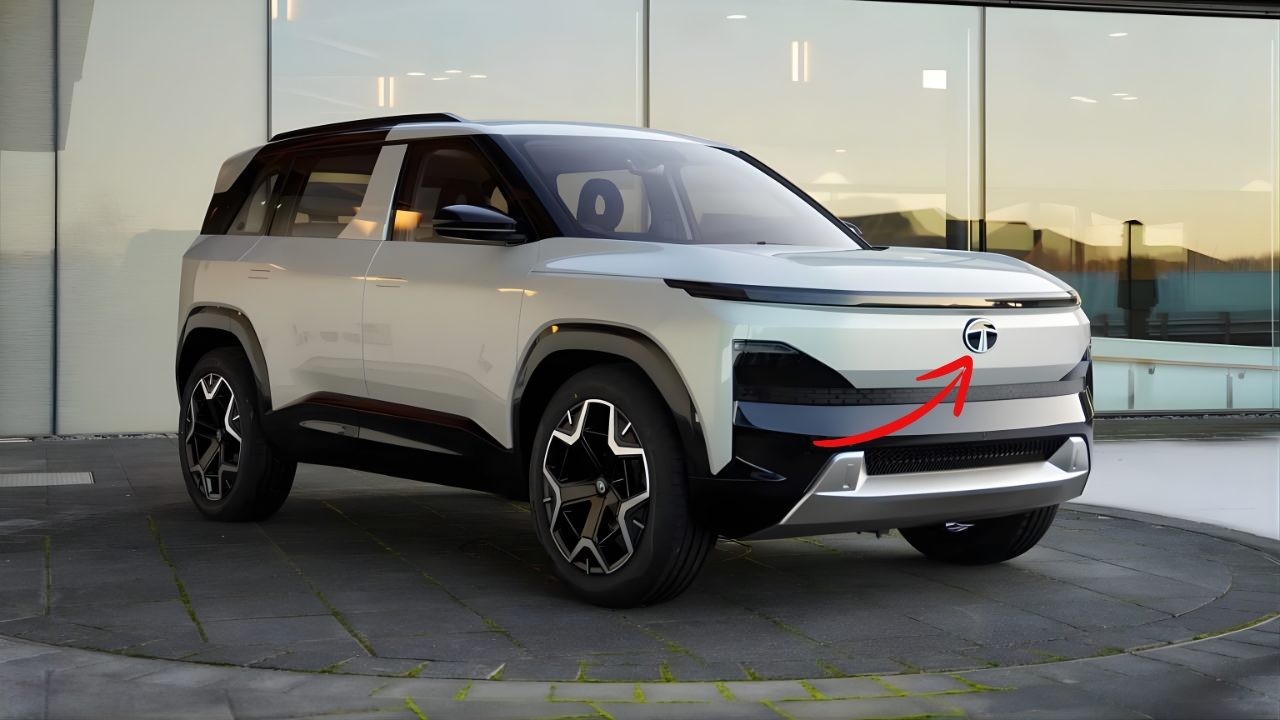
The Sierra EV keeps the classic upright stance, floating roof, and chunky fenders that made the original a style icon.
Up front, expect a sealed-off grille in body color, aero-optimized bumpers, and slim LED headlights for that modern EV vibe without losing the rugged appeal.
Side profile screams adventure with large alloy wheels, probably 18-19 inches, and cladding for an off-road ready look.
Around back, connected LED taillights and a powered tailgate with gesture control add premium touches. Color options might mirror the ICE version—think bold shades like Cosmic Gold or Lunar White.
It’s larger than the Nexon but slots below the Harrier EV, measuring around 4.4-4.5 meters long with a 2.7-meter wheelbase for spacious vibes. Minor tweaks differentiate it from the petrol-diesel Sierra, like aero wheels and EV badging.
Powertrain and Impressive Range
Power comes from Tata’s proven EV bits: expect 55kWh or 65kWh LFP batteries in base trims, scaling to 65-75kWh for top specs.
Claimed range? Up to 500-550km on a single charge, with real-world figures around 450km—plenty for highway hauls or city commutes.
Drivetrain choices include single-motor RWD for efficiency and dual-motor AWD for torque-vectoring thrills, possibly borrowing Harrier EV’s setup.
Punchy acceleration—0-100kmph in under 9 seconds—and top speeds over 170kmph make it fun. Fast charging? 10-80% in 30 minutes via 150kW DC, plus vehicle-to-vehicle tech for emergencies.
Suspension gets independent rear setup for better handling, and modes like Eco, City, Sport, and Rough Road cater to all terrains. It’s not just green; it’s capable.
Luxe Interior Packed with Tech
Step inside, and it’s a lounge on wheels. A triple-screen setup dominates: 10.25-inch driver display, 12.3-inch central touchscreen, and another 12.3-inch for the passenger.
Wireless Android Auto/Apple CarPlay, JBL audio with soundbar, and panoramic sunroof keep things connected and airy.
Seats are ventilated up front with 6-way power adjust and memory, while rear benches offer recliners, thigh extenders, and massive legroom (973mm).
Boot space? 622 liters expandable to 1257—perfect for weekend getaways. Ambient lighting, powered tailgate, and 360-degree cameras with blind-spot tech scream premium.
Safety is Tata strong: 5-star potential with ESP, 6-8 airbags, ADAS level 2 (adaptive cruise, lane keep), and a structural battery pack for rigidity.
Pricing and Market Positioning
Expect ex-showroom prices from Rs 18-20 lakh for base RWD to Rs 25 lakh for loaded AWD. That’s competitive against Mahindra XUV400 or upcoming Creta EV, undercutting Harrier EV while offering more flair.
Variants like Adventure, Fearless might mirror ICE naming, with unofficial bookings already popping up at Rs 11k token.
Tata’s pricing strategy keeps it value-packed, especially with incentives and homegrown batteries slashing costs.
Facing Tough Rivals
In a crowded mid-size EV ring, Sierra EV eyes Hyundai Creta Electric, MG ZS EV, Mahindra XEV 9e. Its retro design and AWD edge out cookie-cutter rivals, while Tata’s charging network (over 10k points) seals the deal.
Bigger boot and lounge-like rear beat Nexon EV; AWD matches premium players without the Hyundai tax. If Tata nails build quality, it could steal sales from imports too.
Tata Sierra EV 2026 Why It Matters for India’s EV Future
The Sierra EV isn’t just a car; it’s Tata betting big on nostalgia-fueled electrification. With India’s EV push via subsidies and infra, this could be the breakout hit pushing adoption beyond metros. Production at Sanand scales fast, promising waits under 3 months post-launch.
Also Read This : Oppo K14x 5G 6500mAH battery smartphone comes with 256GB storage, camera is 50MP
Enthusiasts rave about its looks and range in forums, demanding 80kWh packs for 600km real-world. Tata listens—expect updates. By blending heritage with zero emissions, Sierra EV revives an icon for 2026’s green roads.